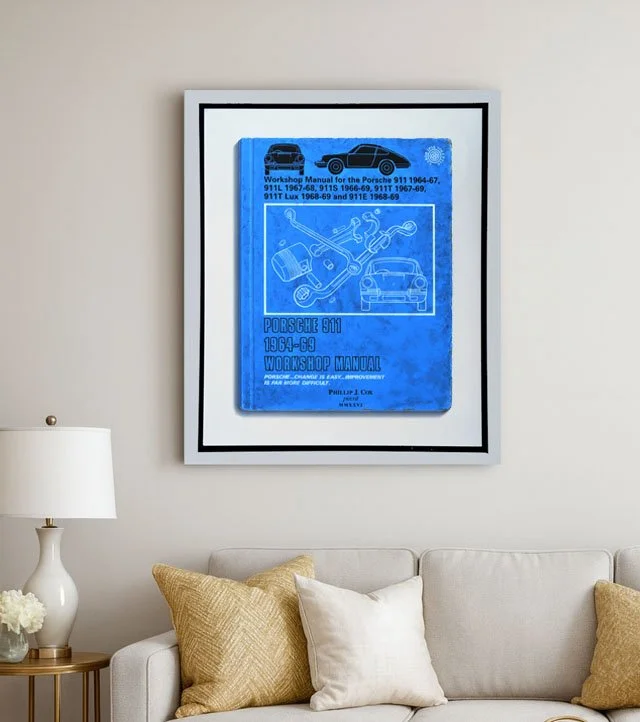
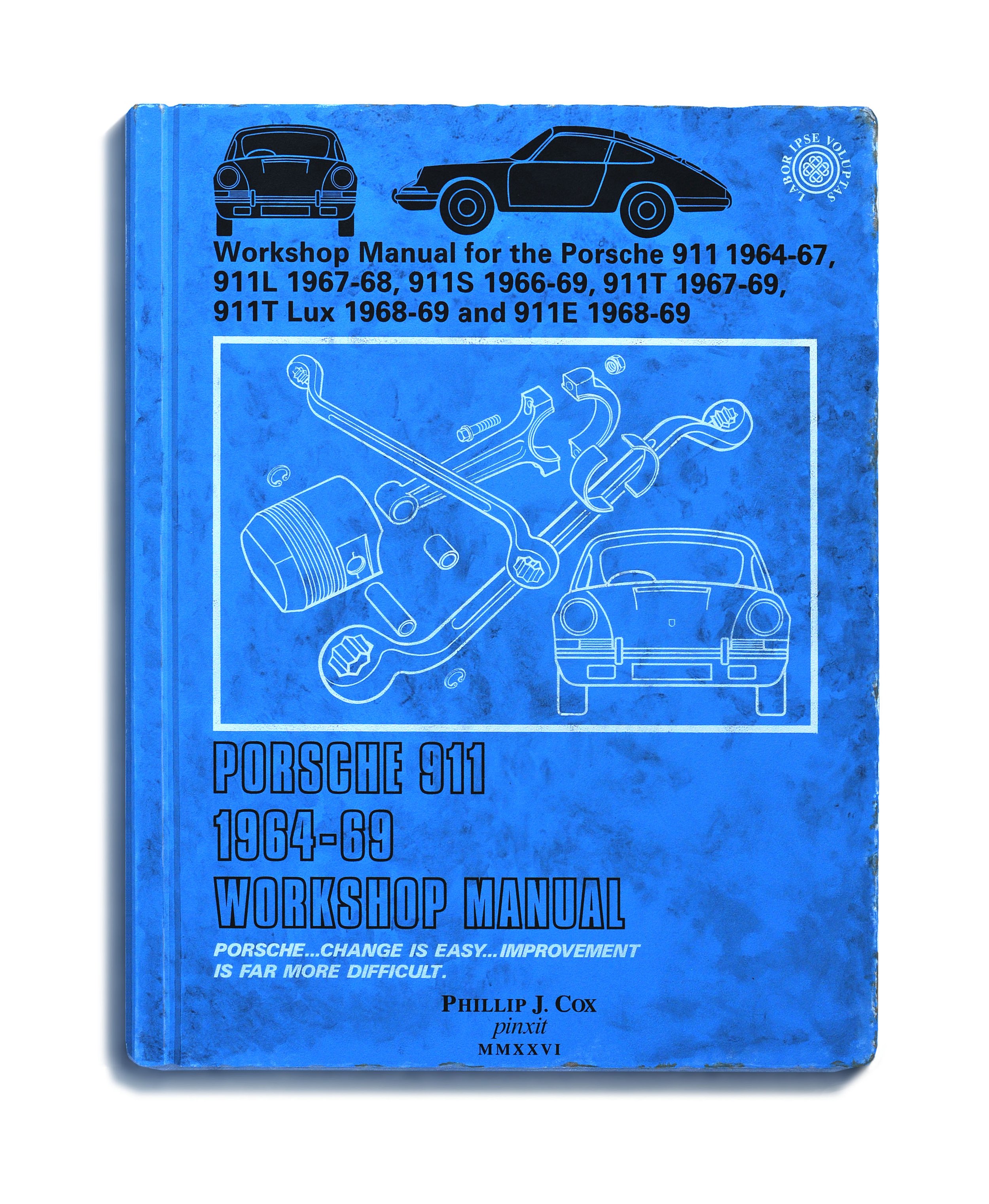
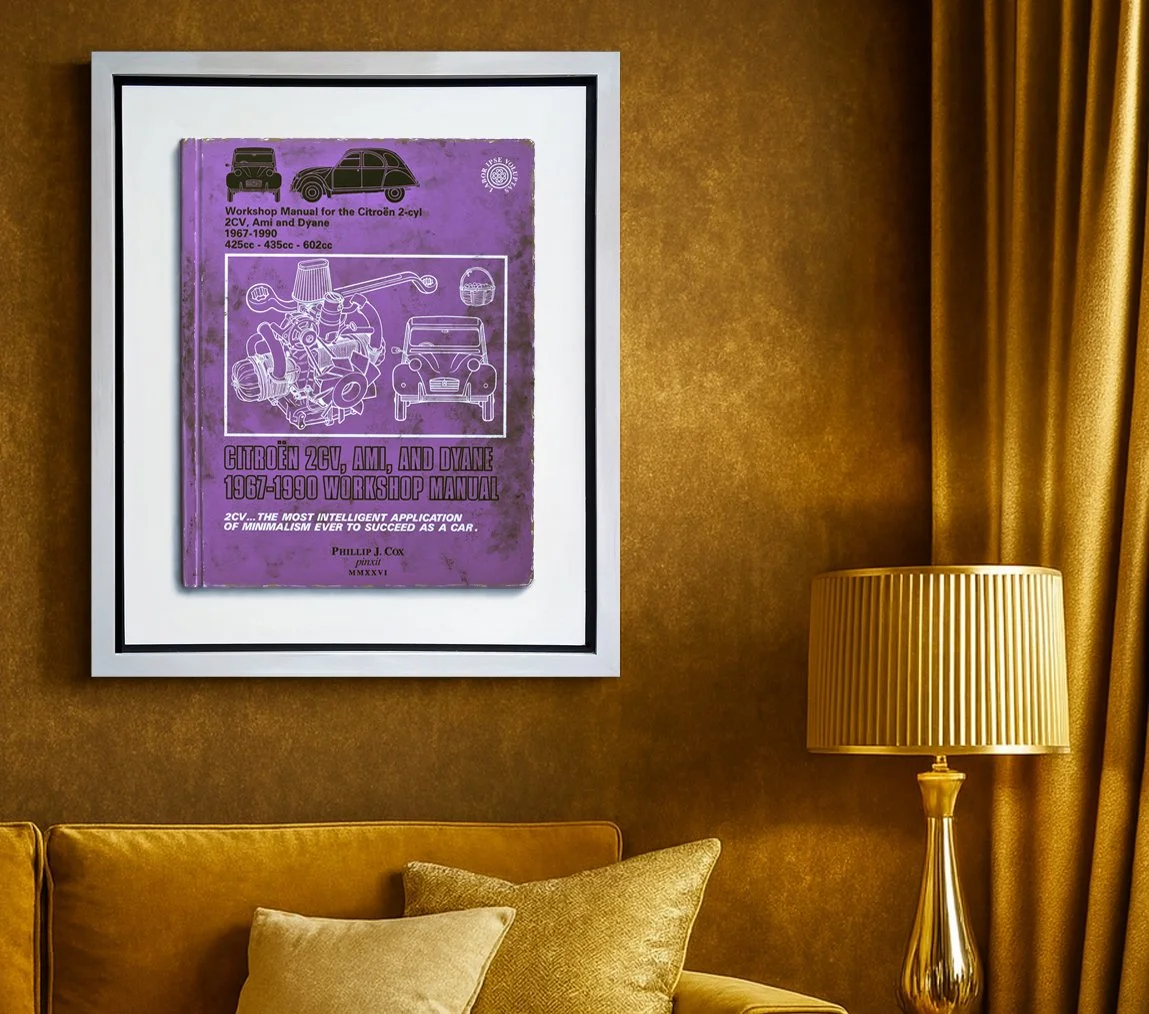
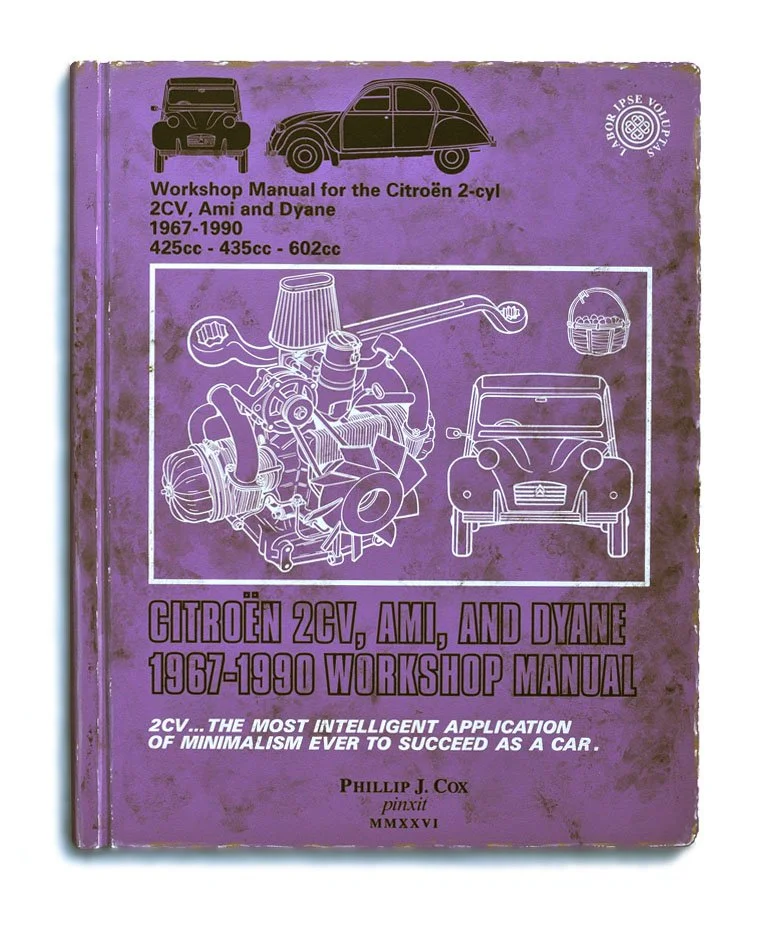
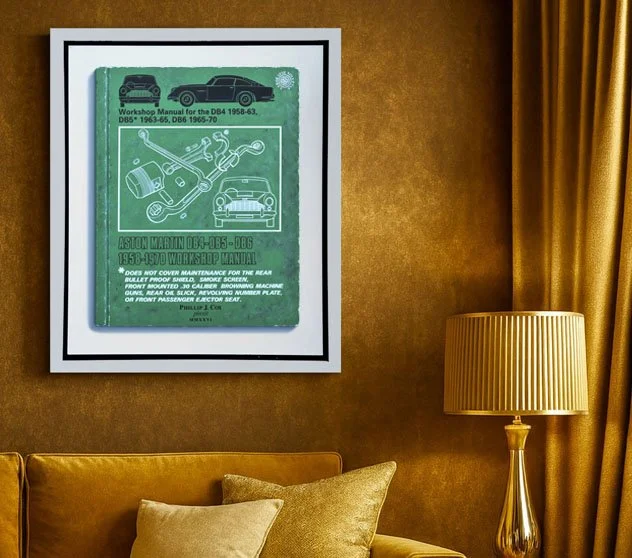
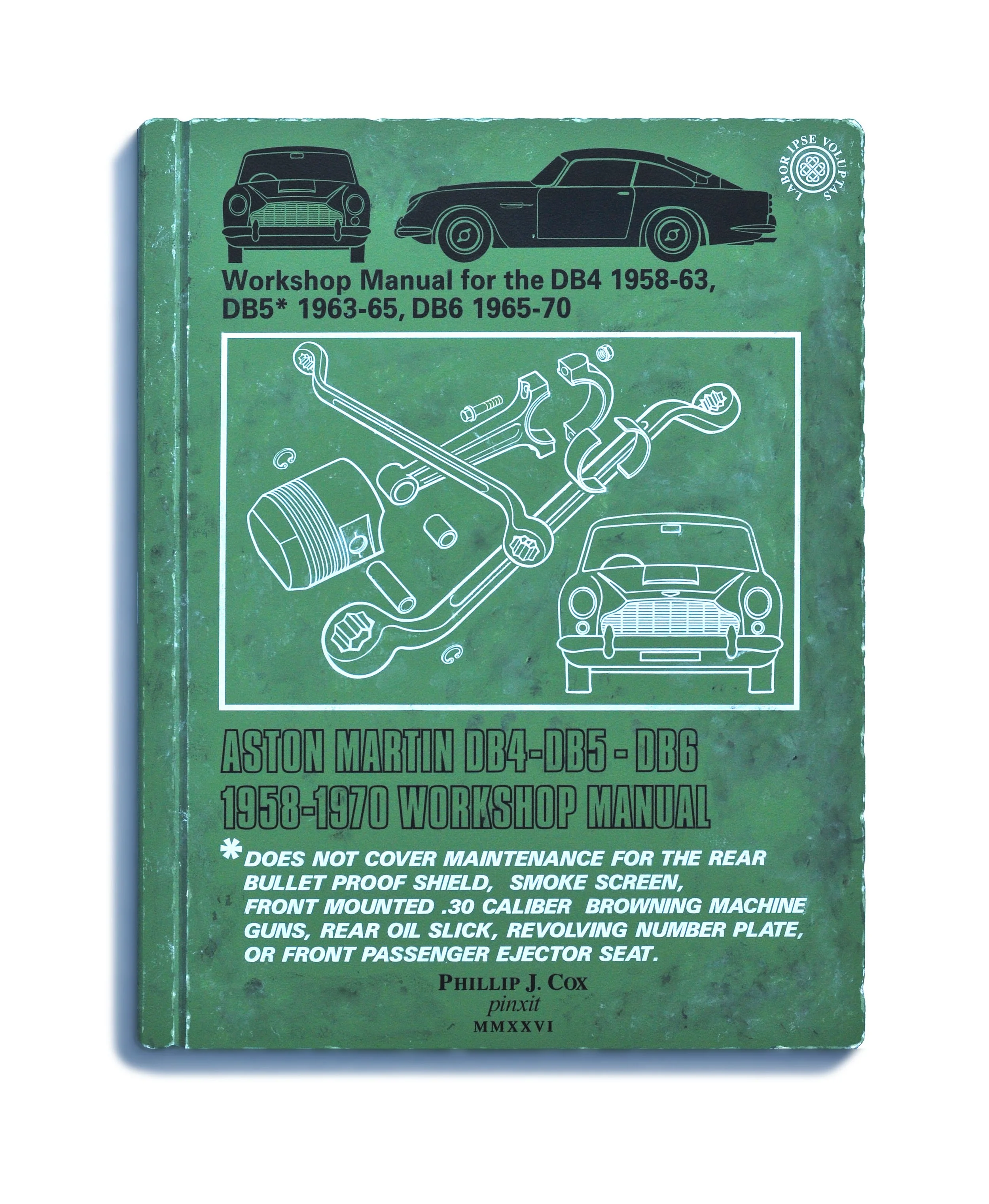
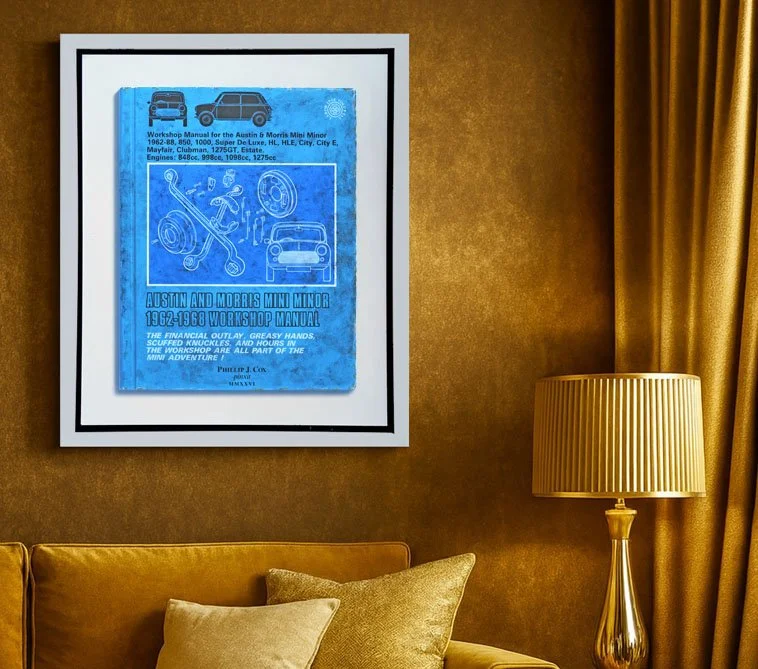
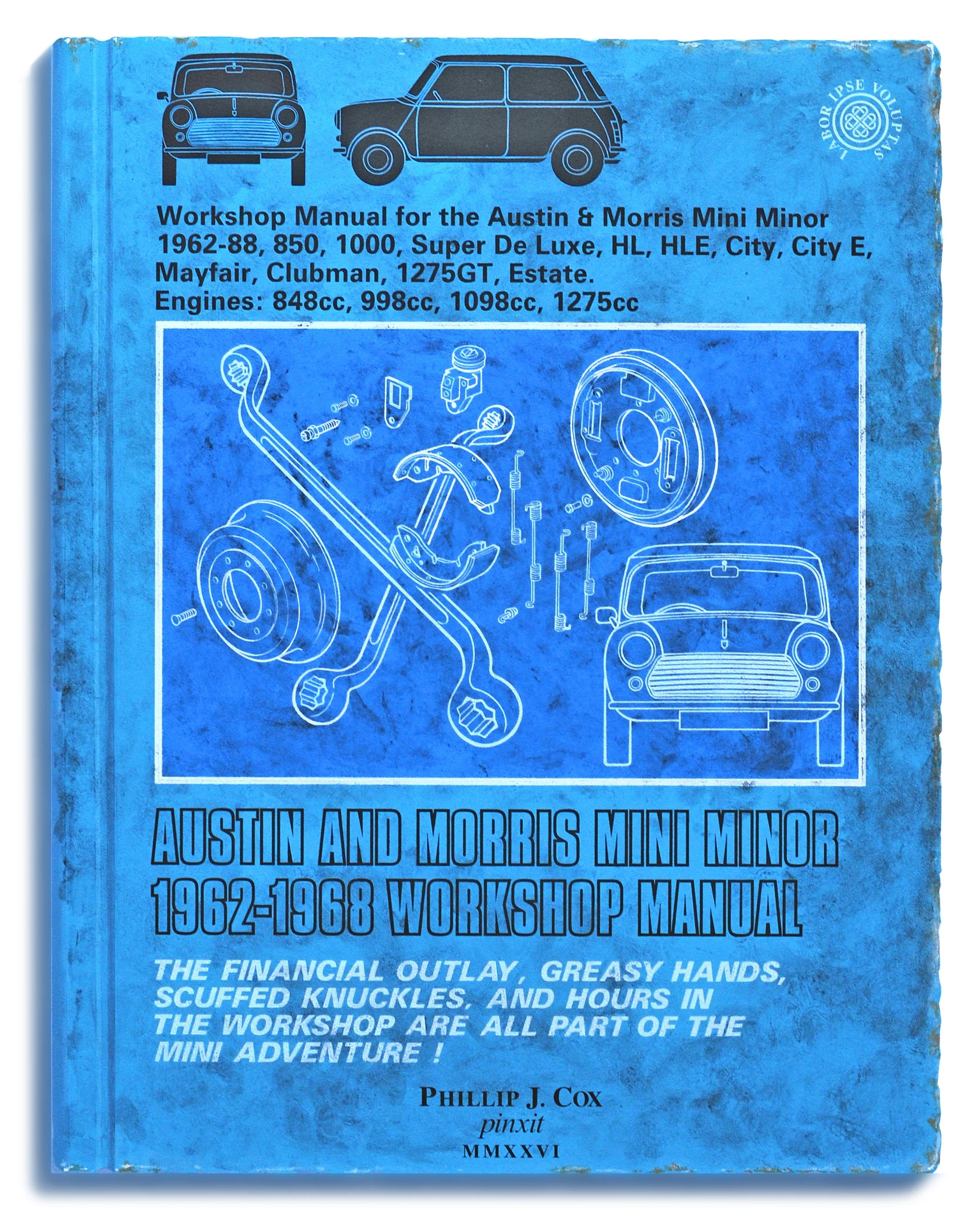
All the originals for the artworks below are painted mixed media on primed wood panel, measuring 830×685mm.
The Citroën 2CV (French: Deux Chevaux, meaning "two horses", referring to its two taxable horsepower rating) was designed by André Lefèbvre and Flaminio Bertoni. It went on to become the world's first front-wheel-drive car to sell more than one million units.
One of the most remarkable requirements in its design brief was that it should be capable of carrying a basket of eggs across a ploughed field without breaking a single egg, a testament to its exceptionally compliant suspension and engineering simplicity.
Renowned motoring writer L.J.K. Setright described the 2CV as "the most intelligent application of minimalism ever to succeed as a car."
Federico Formenti was the designer behind the Aston Martin DB4, DB5, and DB6, the iconic grand tourers, produced during the David Brown era. The DB4 was introduced in 1958, featuring a 3.7-litre engine and innovative Superleggera construction; the DB5, launched in 1963, upgraded to a 4.0-litre engine and gained fame as James Bond's car; and the DB6, produced from 1965 to 1971, offered more rear passenger space and improved aerodynamics, maintaining the iconic 4.0-litre engine with optional Vantage performance.
The Mini, launched in August 1959 and designed by Sir Alec Issigonis of the British Motor Corporation (BMC), revolutionised small-car design. Its innovative transverse engine and front-wheel-drive layout maximised interior space within remarkably compact dimensions. Instantly recognisable, the Mini became a cultural icon and influenced automotive design for generations to come.
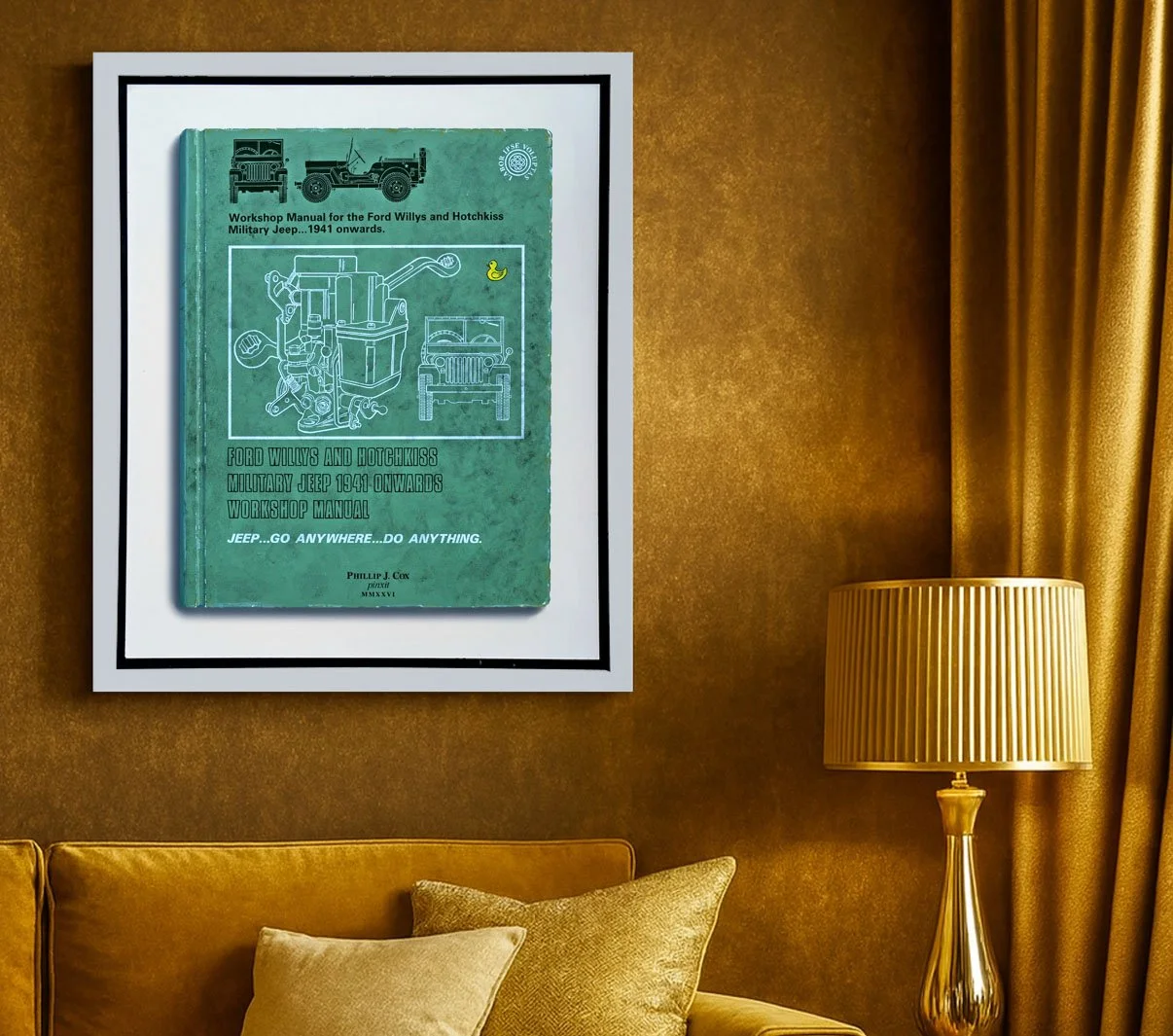
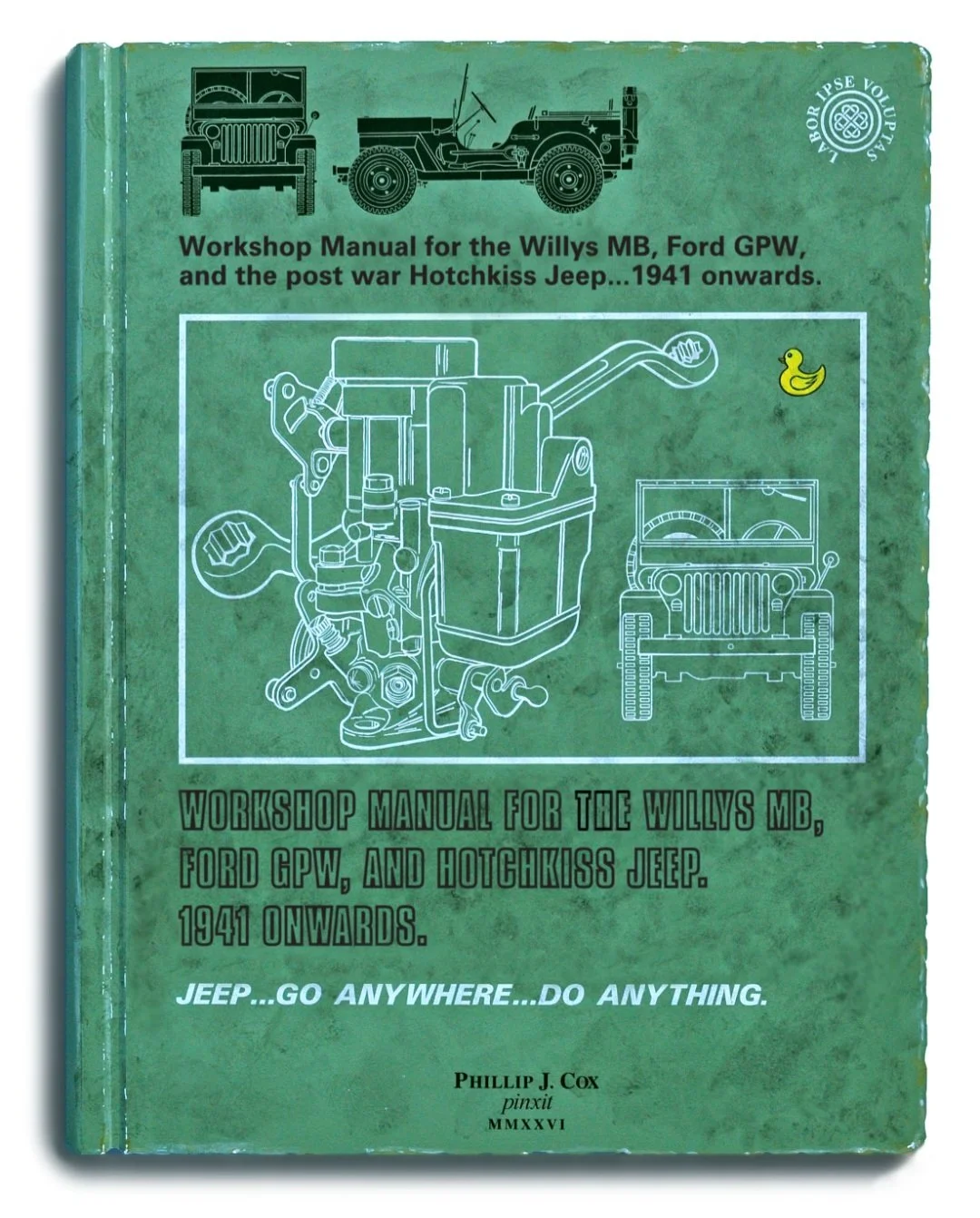
The Willys MB, developed during the early 1940s became one of the most important military vehicles of it’s time, followed by the Ford GPW, and later the French Hotchkiss Jeep.
Rugged, lightweight and highly versatile, it could tackle difficult terrain while transporting troops, equipment and supplies. The early 1940s Jeep featured the iconic 9-slot grille, which was only changed in 1945 to accommodate larger headlights.
The Jeep's functional design has inspired generations of off-road vehicles, while its military heritage remains instantly recognisable today.
A popular tradition among Jeep owners is the "Jeep Ducking" phenomenon, where motorists leave a small rubber duck on another Jeep as a friendly gesture of appreciation and community spirit.
This main front illustration is of the Willys MB carburettor.
The Porsche 911, introduced in 1964 and designed by Ferdinand “Butzi” Porsche, has retained its iconic rear-engine layout and distinctive shape throughout its evolution. Its enduring success reflects a philosophy of continuous refinement rather than radical change, perfectly captured by the often-quoted Ferdinand Porsche maxim: “Change is easy. Improvement is far more difficult.”